
Dental emergencies can happen suddenly – during a meal, at school, or even while your child is playing. When your child is in pain or frightened, it’s natural to feel overwhelmed and unsure of what to do next. Knowing how to respond quickly and correctly can make a meaningful difference in your child’s comfort, recovery, and long-term oral health.
At Olathe Pediatric Dental, we help parents navigate dental emergencies with confidence, compassion, and timely care. This guide explains what qualifies as a pediatric dental emergency, what steps to take at home, and when to call our office versus going to the emergency room.
What Is Considered a Pediatric Dental Emergency?
A pediatric dental emergency is any oral injury, infection, or pain that requires immediate professional attention to prevent further complications. Some situations are obvious emergencies, while others can be harder to assess.
You should contact a pediatric dentist right away if your child experiences:
- Persistent or severe tooth pain
- A knocked-out or loose tooth
- Swelling of the gums, face, or cheeks
- Bleeding that does not stop
- A cracked, broken, or chipped tooth
- Signs of infection, such as fever or facial swelling
If you’re ever unsure, it’s always best to call your pediatric dental office for guidance.
What to Do in Common Pediatric Dental Emergencies
Knocked-Out Tooth
If a permanent tooth is knocked out:
- Hold the tooth by the crown (not the root)
- If possible, gently place it back into the socket
- If that’s not possible, store it in a cup of milk
- Call your pediatric dentist immediately
Time is critical, and prompt care may save the tooth.
If a baby tooth is knocked out, do not try to place it back in the mouth. A dental exam is still necessary to ensure no damage occurred to the surrounding area.
Broken or Cracked Tooth
For a broken tooth:
- Rinse your child’s mouth with warm water
- Apply a cold compress to reduce swelling
- Avoid hard or crunchy foods
- Contact your pediatric dentist as soon as possible
Even minor cracks should be evaluated, as untreated damage can worsen over time.
Chipped Tooth
If your child chips a tooth:
- Save the fragment if possible (especially for adult teeth)
- Store it in milk
- Call your dental office for next steps
Chipped teeth may need smoothing, bonding, or further treatment depending on severity.
Severe Toothache
A severe toothache may indicate decay, infection, or trauma.
- Gently floss around the tooth to remove debris
- Do not place aspirin on the gums
- Monitor for swelling or fever
- Call your pediatric dentist promptly
Pain combined with swelling should always be treated urgently.
Swelling of the Face or Gums
Facial swelling is a serious sign of dental infection.
- Call your pediatric dentist immediately
- Monitor for fever, difficulty breathing, or lethargy
If swelling interferes with breathing or causes rapid illness, go to the emergency room.
When Should You Go to the Emergency Room?
While most dental emergencies should be handled by a pediatric dentist, certain situations require immediate emergency medical care.
Go to the ER if your child experiences:
- A broken or fractured jaw
- Deep cuts to the face or mouth requiring stitches
- An abscess that affects breathing or swallowing
- Significant trauma involving the head or face
Emergency rooms are equipped to handle medical stabilization, while dental follow-up may still be needed afterward.
How Olathe Pediatric Dental Helps During Emergencies
Dental emergencies are stressful for both children and parents. Our team understands the urgency and emotional toll these situations create.
At Olathe Pediatric Dental, we:
- Prioritize same-day emergency appointments whenever possible
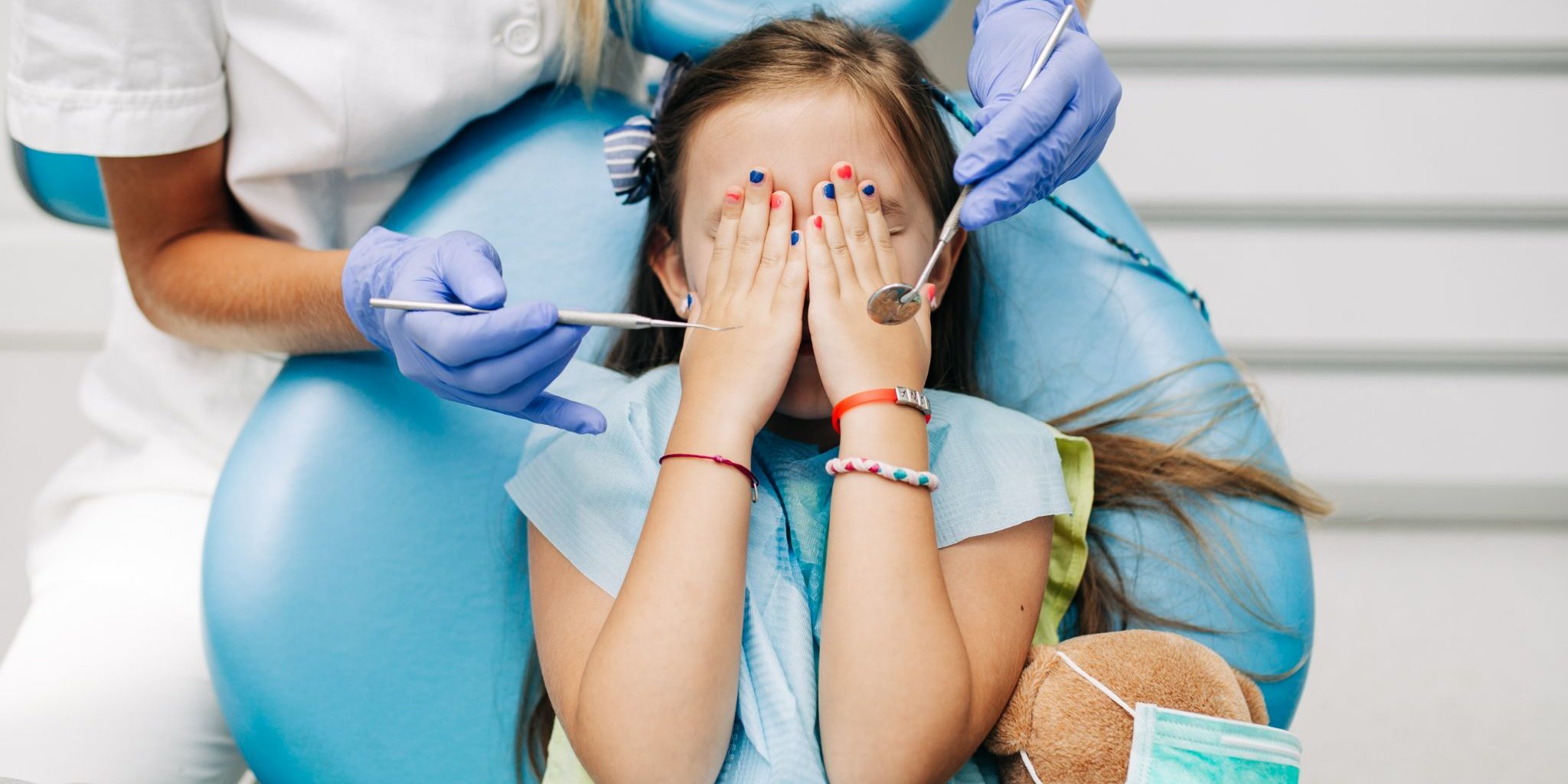
- Provide a calm, child-friendly environment
- Use gentle techniques to minimize discomfort
- Offer sedation dentistry options for anxious children
- Clearly explain treatment and next steps to parents
Our goal is to restore comfort quickly while helping your child feel safe and supported.
Helping Your Child Stay Calm During a Dental Emergency
Children often take emotional cues from their parents. Staying calm can help reduce your child’s fear.
Helpful tips include:
- Reassuring your child that help is on the way
- Avoiding panic-driven language
- Keeping explanations simple and age-appropriate
- Bringing a comfort item to the appointment
Our team is trained to work with nervous children and help them feel at ease during emergency care.
Preventing Pediatric Dental Emergencies
While not all emergencies are preventable, many can be reduced through preventive care and education.
Prevention tips include:
- Regular dental checkups and cleanings
- Wearing mouthguards during sports
- Avoiding chewing ice or hard objects
- Prompt treatment of cavities
- Teaching proper brushing and flossing habits
Preventive dentistry plays a key role in reducing emergency situations and protecting long-term oral health.
Call Right Away if Your Child Has a Dental Emergency
Dental emergencies rarely happen at a convenient time, but fast action can make all the difference. If your child is experiencing pain, swelling, or dental trauma, don’t wait.
Contact Olathe Pediatric Dental as soon as possible. Our compassionate team is ready to help your child receive the care they need – quickly, safely, and comfortably.